
Our History & Ayurveda

The Yugas in Hindu Cosmology: Hinduism describes the passage of time in cycles called Yugas, which repeat over vast periods. These are:

Ayurveda in Satya or Krita Yuga

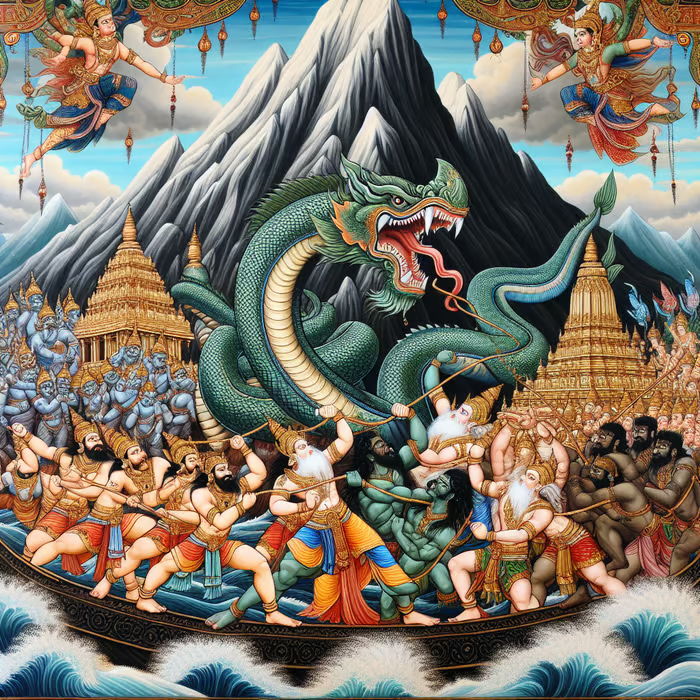
The Samudra Manthan (Churning of the Ocean) is a famous historical event from the Hindu Puranas, particularly the Bhagavata Purana, Vishnu Purana, and Mahabharata, that involves the gods (Devas) and demons (Asuras) working together to churn the ocean (named as Ksheer Sagar) in search of amrita (the nectar of immortality). This event has several connections with Ayurveda, especially through the symbolism of the substances and treasures that emerged during the churning.

The Concept of Balance (Sattva, Rajas, and Tamas):

The churning of the ocean can be viewed as a cosmic metaphor for the balancing of Sattva (purity), Rajas (activity), and Tamas (inertia), which are essential components in Ayurvedic philosophy.
2. Ayurveda emphasizes the importance of balancing the mind, body, and spirit to maintain health. Just as the ocean is churned to extract valuable substances, in Ayurveda, the body is carefully "churned" (through lifestyle changes, diet, herbs, and treatments) to restore balance and health.

The Concept of Elixirs and Rejuvenation:

The elixirs and divine substances produced during the Samudra Manthan can be seen as symbolic of the rejuvenating medicines and therapies in Ayurveda. Rasayana (the branch of Ayurveda that deals with rejuvenation and longevity) focuses on using natural substances to promote vitality and reverse the effects of aging. The amrita, therefore, represents the ultimate rejuvenation, which Ayurveda aims to achieve through practices like Panchakarma (detoxification), herbal treatments, and medhya rasayanas (nootropic herbs) for mental clarity and longevity.

Who is Lord Dhanwantri

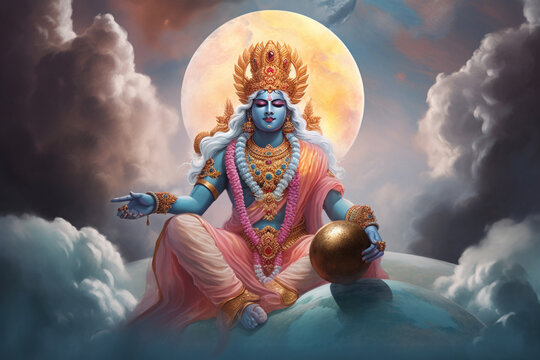
Lord Dhanvantari is a highly revered figure in Hindu History and is considered the Divine Physician or God of Medicine. In the context of Ayurveda, Dhanvantari is regarded as the originator and protector of the science of Ayurvedic medicine. His association with healing, health, and longevity makes him a central figure in Ayurvedic traditions. Let’s explore Lord Dhanvantari's significance and his connection to Ayurveda in more detail.

Lord Dhanvantari's Role in Ayurveda

Divine Origin of Ayurveda: According to Hindu history, Dhanvantari is said to be the divine personification of medicine, healing, and well-being. He is emerged during the Samudra Manthan (Churning of the Ocean), an event where the gods (Devas) and demons (Asuras) churned the cosmic ocean to obtain nectar (amrita) and other divine treasures. Dhanvantari appeared holding the amrita in his hands, but he is most commonly depicted holding a leech and a pot of nectar (amrita), signifying his role as the source of healing. As a result, Dhanvantari is not only associated with the rejuvenating properties of amrita (nectar of immortality) but also with the medicinal knowledge that sustains life and health.
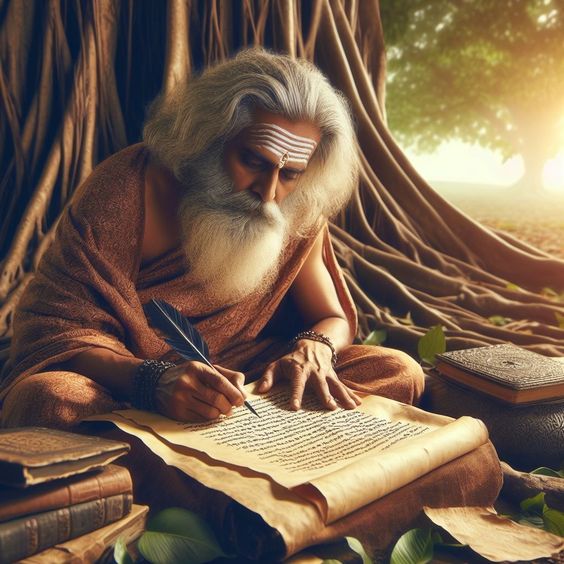
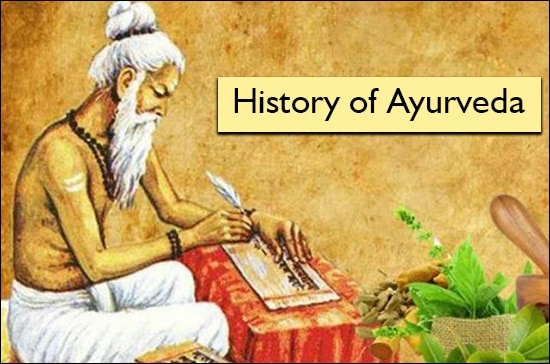
The Ayurveda Scriptures: Lord Dhanvantari is traditionally regarded as the giver of the science of Ayurveda. It is believed that he imparted the knowledge of healing and medicine to the ancient sages, who then passed it down to humanity. The teachings and practices that form the core of Ayurveda are said to have originated from Lord Dhanvantari, making him the divine founder of this holistic system of medicine. The Dhanvantari Trayi (three books on medicine) are considered sacred texts of Ayurveda, believed to have been given by Lord Dhanvantari. These texts are thought to contain knowledge about the healing properties of herbs, surgical techniques, detoxification practices, and the spiritual connection to health.

Dhanvantari and His Symbolism in Ayurveda

Healing and Longevity: Lord Dhanvantari represents the concept of health, longevity, and well-being. In Ayurveda, the pursuit of longevity and maintaining good health is a central aim. Dhanvantari is seen as the embodiment of these Ayurvedic goals. He teaches that health is not just the absence of disease but a state of balance in the body, mind, and spirit.
2. Amrita (Nectar of Immortality): In many depictions, Dhanvantari holds the pot of amrita, which is associated with immortality. In Ayurveda, the concept of Rasayana (rejuvenation) parallels the idea of amrita, with specific herbs and therapies that aim to revitalize and restore youthfulness, vitality, and health. Amrita is symbolic of the essence that sustains life and health, just as certain Ayurvedic treatments aim to replenish the body's vital energy, called Ojas.

Ayurvedic Healing Practices

As a divine healer, Dhanvantari's role in Ayurveda extends to several healing practices, which include:

Herbal Remedies

Lord Dhanvantari is often shown as the provider of medicinal herbs, which are the cornerstone of Ayurvedic healing. Many Ayurvedic remedies, including herbs like Ashwagandha, Tulsi, Neem, Turmeric, and Brahmi, are used to balance the doshas (Vata, Pitta, and Kapha), enhance immunity, and promote vitality.

Surgical Practices

In addition to herbs, Ayurveda also includes the practice of surgery, called Shalya Tantra. Dhanvantari is said to have introduced surgical procedures, including pre-operative and post-operative care, which were advanced for their time. Ancient texts such as the Sushruta Samhita describe surgical techniques that are believed to have been passed down through Dhanvantari's divine guidance.

Detoxification and Purification:

Ayurveda also includes purification therapies known as Panchakarma, which are designed to cleanse the body of toxins and restore balance. Dhanvantari, as the divine healer, is closely associated with the purification of both the body and the mind, reinforcing the holistic approach of Ayurveda.

Ayurvedic Deities and Rituals

Lord Dhanvantari is honored in Ayurveda through various rituals, especially by physicians and practitioners. He is often invoked at the start of medical treatments, surgeries, or healing sessions, seeking his divine blessing for the patient's recovery. This shows the deep spiritual connection that Ayurveda maintains with its healing practices. On the Dhanvantari Jayanti (the day dedicated to the worship of Lord Dhanvantari, which typically falls on the 13th day of the dark fortnight of Ashvin, according to the Hindu lunar calendar), special prayers and rituals are performed by Ayurvedic doctors and others to seek his blessings for health and well-being.

The Concept of Rasayana and Immortality in Ayurveda

The pursuit of immortality or prolonged life is a key aspect of Ayurveda, and Lord Dhanvantari is symbolic of this through his association with amrita. Ayurveda teaches the concept of Rasayana, a set of practices and medicinal formulas aimed at rejuvenation and increasing Ojas (the vital energy or immunity) in the body. These include:

Rasayana therapies are considered to promote longevity, enhance mental clarity, and slow down the aging process, similar to the effects of the amrita that Lord Dhanvantari is said to have offered.

Conclusion

Lord Dhanvantari holds an esteemed position in the history of Ayurveda as the divine
source of the knowledge of healing, health, and longevity. His connection to Ayurveda
underscores the system’s focus on balance, rejuvenation, and holistic well-being. Through
his association with amrita, medicinal plants, surgical techniques, and detoxification,
Dhanvantari embodies the essence of Ayurveda’s pursuit of health, vitality, and spiritual
harmony. He remains a guiding figure for Ayurvedic practitioners, symbolizing the divine
origin and continued reverence of this ancient system of healing.

Aacharya Sushruta Yug

The legendary figure Sushruta, regarded as the father of surgery in Ayurveda, is traditionally believed to have lived during the Satya or Krita Yuga, the first of the four Yugas
(ages) in Hindu cosmology.
Sushruta’s Time and Connection to Satya Yuga: The exact historical timeline of Sushruta is unclear, and his life is shrouded in legend. Some
traditions and scholars suggest that he lived during the Satya or Krita Yuga, which is the same era in which the events of the Ramayana take place. The reasoning behind this is that Sushruta’s teachings and medical knowledge, particularly regarding surgery and the human body, are believed to have been highly advanced for his time.
● Sushruta Samhita, the classical Ayurvedic text attributed to Sushruta, outlines numerous surgical procedures, including cataract surgery, the setting of bones, and the treatment of wounds. This text is regarded as one of the foundational texts of Ayurveda and surgery.
● Some also propose that Sushruta might be a symbolic or semi-mythological figure whose medical contributions are rooted in earlier practices passed down through oral
tradition.


Ayurveda in Treta Yuga

In the Treta Yuga, the practice of Ayurveda (the science of life) was highly advanced, and the knowledge of medicine, herbs, surgery, and healing was passed down by sages like Sushruta. The medical knowledge in this era was considered divine, and sages often acted as both healers and spiritual leaders. Thus, Sushruta is generally regarded as having lived in the Satya Yuga, which also corresponds to the time when Lord Rama, the protagonist of the Ramayana, is believed to have lived. This would place his life and teachings in a mythological context, in line with the epic's portrayal of ancient knowledge and divine wisdom.

Ayurveda in the Ramayana Era

Ayurveda, as a system of medicine, is believed to have existed during the time of the Ramayana, an ancient Indian epic that is traditionally dated to have taken place around 12000 years ago. The Ramayana, written by the sage Valmiki, narrates the life and adventures of Lord Rama, an incarnation of the god Vishnu, and his quest to rescue his wife Sita from the demon king Ravana. Though the formal and systematic documentation of Ayurveda in the form we know today was established later (in texts such as the Charaka Samhita and Sushruta Samhita), Ayurveda’s principles and practices were certainly known and applied in ancient India, including during the era of the Ramayana.

Sage Sushruta and the Knowledge of Surgery:

The Ramayana mentions the use of medicinal herbs, treatments, and even surgical techniques that are very much aligned with the principles of Ayurveda. Some scholars believe that Sushruta, who is often regarded as the father of surgery and one of the most important figures in the history of Ayurveda, lived during the time of the Ramayana or even earlier. Though the Sushruta Samhita (a foundational Ayurvedic text) was written much later, the medical knowledge it contains is likely rooted in practices from that era.

Medicinal Herbs in the Ramayana:

The Ramayana mentions several herbs and plants that are used for healing purposes. Rama, Sita, and others in the epic use various plant-based remedies. One of the most famous examples is the use of the Sanjeevani herb, a mythical plant that was used by Hanuman to save Lakshmana (Rama’s brother) when he was critically injured in battle. The Sanjeevani herb is often associated with Ayurvedic principles of healing and rejuvenation, and its mention underscores the advanced botanical knowledge that existed during the Ramayana era.

Herbal Remedies and Healing Practices:

Throughout the Ramayana, various characters use Ayurvedic-like remedies for wounds, injuries, and illnesses. For example, when Rama was exiled and traveled through the forests, his companions and healers utilized natural resources for sustenance and medical treatment, which were typical of Ayurveda’s emphasis on natural healing.

Use of Surgery and Bandaging:

There are references in the Ramayana to surgical treatments, which align with the practice of shalya (surgery) in Ayurveda. For instance, when Lakshmana is injured in battle, there are mentions of bandaging wounds and using specific techniques to treat serious injuries. This is consistent with the surgical procedures described in later Ayurvedic texts like the Sushruta Samhita.

Ayurvedic Principles of Balance:

Ayurveda focuses on the balance of the body's three doshas (Vata, Pitta, and Kapha), and the Ramayana, through its depiction of characters’ experiences and interactions with the natural world, reflects an understanding of the importance of balance. Characters like Rama are portrayed as embodying balance, discipline, and health, which are qualities Ayurveda aims to promote for physical and mental well-being.

Divine Healing and Ayurvedic Practices:

In the Ramayana, there is a strong interplay between divine intervention and the healing practices. While Ayurvedic medicine is often depicted in the context of natural treatments, the divine figures also engage in healing—Lord Vishnu (as Rama) and other deities are often invoked to restore balance and health. This divine aspect highlights the spiritual dimension of Ayurvedic healing, where health is not just about physical remedies but also about spiritual and mental harmony.

Connection to Later Ayurvedic Texts:

The knowledge and practices from the Ramayana period would have laid the foundation for the more formalized systems of Ayurveda that emerged later, particularly in texts like:

In these later texts, many of the principles, herbs, treatments, and concepts mentioned in the Ramayana can be found, showing a continuity of medical knowledge that spans many centuries.

Conclusion

Ayurveda was indeed an integral part of the Ramayana era, though the formal codification of
its principles would occur later. The practices mentioned in the Ramayana reflect a deep
understanding of nature, healing, and the balance of the body and mind, which are central to
Ayurveda. The medicinal herbs, healing practices, and even the use of surgery and wound
care seen in the Ramayana provide evidence that Ayurveda, or at least the rudimentary
forms of it, were known and practiced during that time.
Vaidya Susheen in Ramayana Treat Lakshman with Ayurveda

In the Ramayana, Vaidya Sushena (often referred to as Sushena or Vaidya Sushena) is a revered healer who plays a crucial role in treating Lakshmana, Lord Rama's brother, after he is severely injured in battle. This event happens during the war between Rama’s army and Ravana's forces, specifically in the Yuddha Kanda (Book of War) of the Ramayana.

The Story of Lakshmana's Injury and Sushena’s Role:

Lakshmana’s Injury:

During the intense battle with Ravana's forces, Lakshmana is struck by a powerful weapon from Indrajit (Ravana's son). This causes Lakshmana to fall unconscious, and he is near death. His injuries are so severe that the other warriors, including Rama and Hanuman, are unable to help him.

Hanuman's Mission:

As Lakshmana's condition worsens, Rama and others are desperate to save him. Hanuman, the mighty monkey god, is sent to find a cure. He travels to the Himalayas to find the rare Sanjeevani herb, which is said to have the power to revive those on the brink of death.

Sushena’s Diagnosis and Prescription:

In some versions of the Ramayana, when Hanuman reaches the Himalayas and finds the Sanjeevani herb, he is unable to recognize it among the many similar plants in the region. At this point, Vaidya Sushena (a renowned Ayurvedic healer who was part of Rama’s army) advises Hanuman on how to identify the Sanjeevani herb. Sushena, who is a highly skilled Vaidya (doctor or healer), understands the nature of Lakshmana’s wounds and the healing properties of various plants and herbs. He also diagnoses that Lakshmana’s condition can be treated using specific Ayurvedic knowledge of healing, even before Hanuman is sent on the quest for the herb. Sushena is credited with using his knowledge of Ayurvedic medicine to prescribe the correct remedy. He instructs Hanuman to fetch the Sanjeevani plant from the mountains, which can heal Lakshmana’s grievous wounds. This herb, according to Ayurvedic tradition, has miraculous rejuvenating properties and is capable of restoring life to someone who has been mortally wounded.

The Role of Ayurveda:

While the Sanjeevani herb has a divine and somewhat mythical status in the Ramayana, the underlying principles of Ayurveda are evident in the way Sushena treats Lakshmana. Ayurveda emphasizes the use of natural plants, herbs, and other remedies to restore balance in the body, mind, and spirit. The Sanjeevani herb is seen as a symbol of the holistic healing approach of Ayurveda, which not only deals with physical ailments but also spiritual well-being.

Lakshmana’s Recovery

With the help of the Sanjeevani herb, Lakshmana is revived, and his wounds are healed. This is one of the most significant events in the Ramayana, highlighting the role of Ayurvedic knowledge in ancient Indian warfare and healing.

Sushena’s Knowledge of Ayurveda:

Sushena, as described in the Ramayana, is a learned Vaidya with great expertise in Ayurveda, particularly in the use of herbs and medicines. His wisdom and his ability to identify the right treatment for Lakshmana’s injuries demonstrate the advancedmedical knowledge that was present in the Ramayana era.
● His role in the healing process also illustrates the deep connection between spirituality and medicine in the ancient Indian context, where great sages and healers were not only knowledgeable in the sciences but also practiced healing with a sense
of divine purpose. In summary, Vaidya Sushena plays a pivotal role in Lakshmana’s recovery in the
Ramayana, using his Ayurvedic knowledge to suggest the right course of treatment and guiding Hanuman in finding the Sanjeevani herb. This part of the epic underscores the significance of Ayurveda in ancient India, even in the divine and mythological context of the
Ramayana.

Ayurveda In Dwapara Yuga

In Dwapara Yuga, the third of the four Yugas in Hindu cosmology, Ayurveda continued to evolve and expand, building upon the foundations laid in previous Yugas. Dwapara Yuga, which is considered an age of half-truth and decline in righteousness compared to the earlier Yugas, is the era in which key events from the Mahabharata take place, including the great Kurukshetra war and the life of Lord Krishna. While Ayurveda as a structured and systematic science was most formally codified during the later periods (especially in the texts like the Charaka Samhita and Sushruta Samhita), the principles of Ayurveda were already well known and practiced in Dwapara Yuga.

Key Features of Ayurveda in Dwapara Yuga:

Ayurveda in the Mahabharata

The Mahabharata, which takes place during the Dwapara Yuga, contains many references to Ayurvedic practices, medicinal herbs, and healing techniques. The epic presents multiple examples of how Ayurveda was used to heal warriors, treat injuries, and maintain health.

Medicinal Use of Herbs

During the Mahabharata, several herbs and plants that are well-known in Ayurveda today are mentioned: ○ Sanjeevani herb: This is one of the most famous plants in the Mahabharata. It is said to have miraculous healing powers and was used by Hanuman during the Ramayana to revive Lakshmana. In Dwapara Yuga, the Sanjeevani herb is once again mentioned, symbolizing the importance of plants with healing powers. ○ Ashwagandha: A powerful herb for vitality and strength, which is frequently mentioned in Ayurvedic texts, may have been known during this period as well.

Role of Physicians (Vaidyas)

In Dwapara Yuga, renowned physicians (Vaidyas) are depicted as skilled in using both surgical procedures and herbal remedies to treat injuries and illnesses. The Mahabharata mentions the use of treatments that align with the Ayurvedic focus on balancing the three doshas (Vata, Pitta, and Kapha), restoring health through proper diet, lifestyle, and natural therapies. For instance, the physician Dhanvantari, often associated with Ayurveda and depicted as a god of medicine, plays a key role in healing during the Mahabharata. Dhanvantari is believed to be the divine source of Ayurvedic knowledge, and in Dwapara Yuga, his influence on healing practices would have been strong.

The Story of Karna’s Healing

Karna, one of the key figures in the Mahabharata, was severely wounded during the Kurukshetra war. The vaidya or healer, Vishwakarma (who was also a divine architect and engineer), provided Karna with medical assistance, demonstrating the advanced knowledge of treating battlefield injuries, a practice consistent with Ayurvedic surgical techniques.

Surgery and Wound Care

Ayurvedic surgery, known as Shalya Tantra, was also practiced during Dwapara Yuga. In the Mahabharata, the warriors, especially those engaged in the battlefield, were often treated for injuries using techniques that align with Ayurvedic surgical practices, such as setting broken bones, healing wounds, and performing amputations.

Detoxification and Healing

Ayurveda's focus on detoxification (Panchakarma) would have been known during the Dwapara Yuga, though the detailed description of such therapies appears more explicitly in later Ayurvedic texts. Detoxification involves the removal of ama (toxins) that accumulate in the body due to imbalances in the doshas. This idea of cleansing and purifying the body is likely to have been practiced during Dwapara Yuga, particularly by those who followed Ayurvedic principles.

Lord Krishna and Ayurveda

Lord Krishna, the central figure of the Mahabharata, is depicted as a wise and compassionate figure who understood the importance of health and well-being. He is seen giving counsel to Arjuna and others regarding the maintenance of a balanced life, which includes aspects of diet, lifestyle, and self-care — principles that align with Ayurvedic teachings. In the Bhagavad Gita, Krishna speaks of living harmoniously and with moderation, ideas that are reflected in the Ayurvedic emphasis on balancing the body's energies and maintaining mental, physical, and spiritual health.

Notable Ayurvedic Practices and References in Dwapara Yuga:

extends to several healing practices, which include:

Balancing the Doshas

The concept of balancing the doshas (Vata, Pitta, Kapha) would have been fundamental in Dwapara Yuga, even if the detailed descriptions were not fully codified. The balance of these energies within the body is central to Ayurvedic healing.

Diet and Lifestyle:

In Ayurveda, lifestyle and dietary choices are fundamental to health, and the teachings of the Mahabharata emphasize moderation, self-control, and discipline in all aspects of life, which mirrors Ayurvedic principles. Krishna’s advice to Arjuna and others emphasizes maintaining a sattvic (pure) lifestyle, which would include healthy, balanced eating, regular physical activity, and mindfulness — key components of Ayurvedic philosophy.

Yoga and Pranayama

Though the systematized form of yoga (as we know it today) was further developed later, the Mahabharata (and also the Bhagavad Gita) contains references to practices that resemble the principles of yoga and meditation, which Ayurveda incorporates for mental and physical well-being. The breathing techniques (pranayama) mentioned in various parts of the Mahabharata are aligned with Ayurvedic practices for calming the mind and balancing the body.

Conclusion

Ayurveda in Dwapara Yuga was a vital part of the culture and health practices of the time,
and while the detailed codification of Ayurvedic texts came later, many of the core principles
were already in use during this era. The Mahabharata and related texts reflect the use of
medicinal herbs, surgery, detoxification, and a holistic approach to health — all of which are
key aspects of Ayurveda. The sages and characters in the Mahabharata, like Dhanvantari,
Krishna, and the healers of the time, embody the wisdom of Ayurveda and its importance in
preserving life and health.