
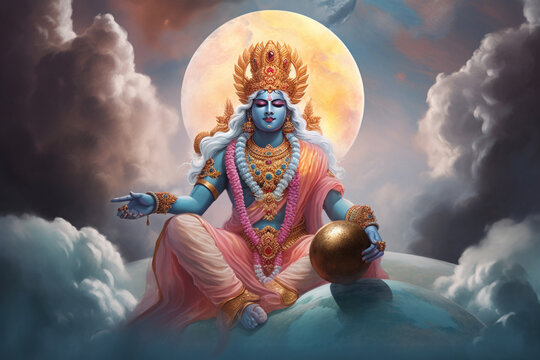
Lord Dhanvantari is often shown as the provider of medicinal herbs, which are the cornerstone of Ayurvedic healing. Many Ayurvedic remedies, including herbs like Ashwagandha, Tulsi, Neem, Turmeric, and Brahmi, are used to balance the doshas (Vata, Pitta, and Kapha), enhance immunity, and promote vitality.
In addition to herbs, Ayurveda also includes the practice of surgery, called Shalya Tantra. Dhanvantari is said to have introduced surgical procedures, including pre-operative and post-operative care, which were advanced for their time. Ancient texts such as the Sushruta Samhita describe surgical techniques that are believed to have been passed down through Dhanvantari's divine guidance.
Ayurveda also includes purification therapies known as Panchakarma, which are designed to cleanse the body of toxins and restore balance. Dhanvantari, as the divine healer, is closely associated with the purification of both the body and the mind, reinforcing the holistic approach of Ayurveda.
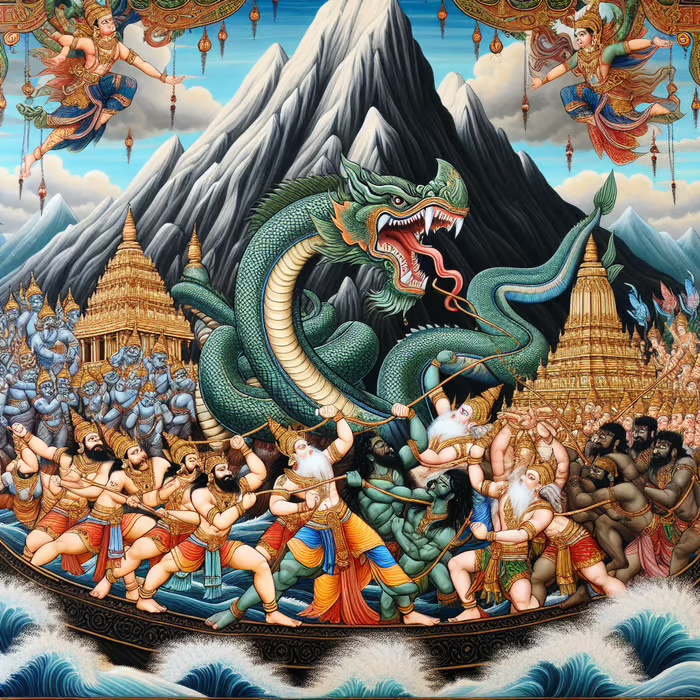
Rasayana therapies are considered to promote longevity, enhance mental clarity, and slow down the aging process, similar to the effects of the amrita that Lord Dhanvantari is said to have offered.
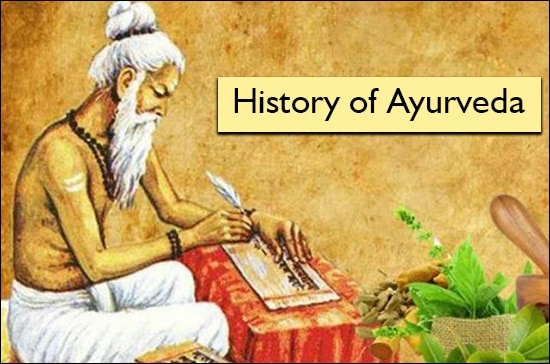
Lord Dhanvantari holds an esteemed position in the history of Ayurveda as the divine
source of the knowledge of healing, health, and longevity. His connection to Ayurveda
underscores the system’s focus on balance, rejuvenation, and holistic well-being. Through
his association with amrita, medicinal plants, surgical techniques, and detoxification,
Dhanvantari embodies the essence of Ayurveda’s pursuit of health, vitality, and spiritual
harmony. He remains a guiding figure for Ayurvedic practitioners, symbolizing the divine
origin and continued reverence of this ancient system of healing.
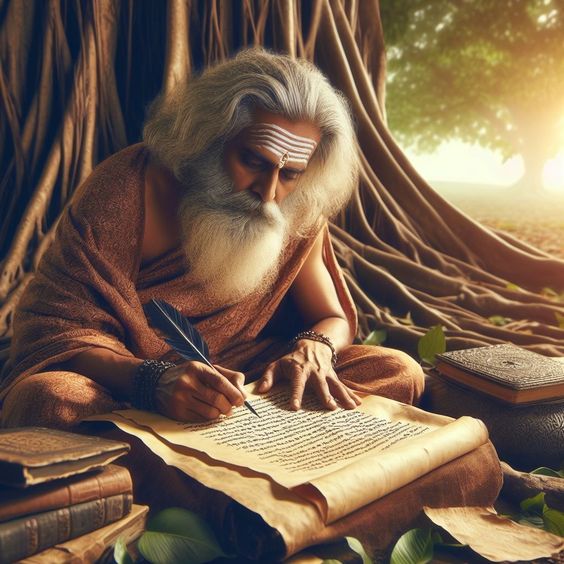
The legendary figure Sushruta, regarded as the father of surgery in Ayurveda, is traditionally believed to have lived during the Satya or Krita Yuga, the first of the four Yugas
(ages) in Hindu cosmology.
Sushruta’s Time and Connection to Satya Yuga: The exact historical timeline of Sushruta is unclear, and his life is shrouded in legend. Some
traditions and scholars suggest that he lived during the Satya or Krita Yuga, which is the same era in which the events of the Ramayana take place. The reasoning behind this is that Sushruta’s teachings and medical knowledge, particularly regarding surgery and the human body, are believed to have been highly advanced for his time.
● Sushruta Samhita, the classical Ayurvedic text attributed to Sushruta, outlines numerous surgical procedures, including cataract surgery, the setting of bones, and the treatment of wounds. This text is regarded as one of the foundational texts of Ayurveda and surgery.
● Some also propose that Sushruta might be a symbolic or semi-mythological figure whose medical contributions are rooted in earlier practices passed down through oral
tradition.


In these later texts, many of the principles, herbs, treatments, and concepts mentioned in the Ramayana can be found, showing a continuity of medical knowledge that spans many centuries.
Ayurveda was indeed an integral part of the Ramayana era, though the formal codification of
its principles would occur later. The practices mentioned in the Ramayana reflect a deep
understanding of nature, healing, and the balance of the body and mind, which are central to
Ayurveda. The medicinal herbs, healing practices, and even the use of surgery and wound
care seen in the Ramayana provide evidence that Ayurveda, or at least the rudimentary
forms of it, were known and practiced during that time.
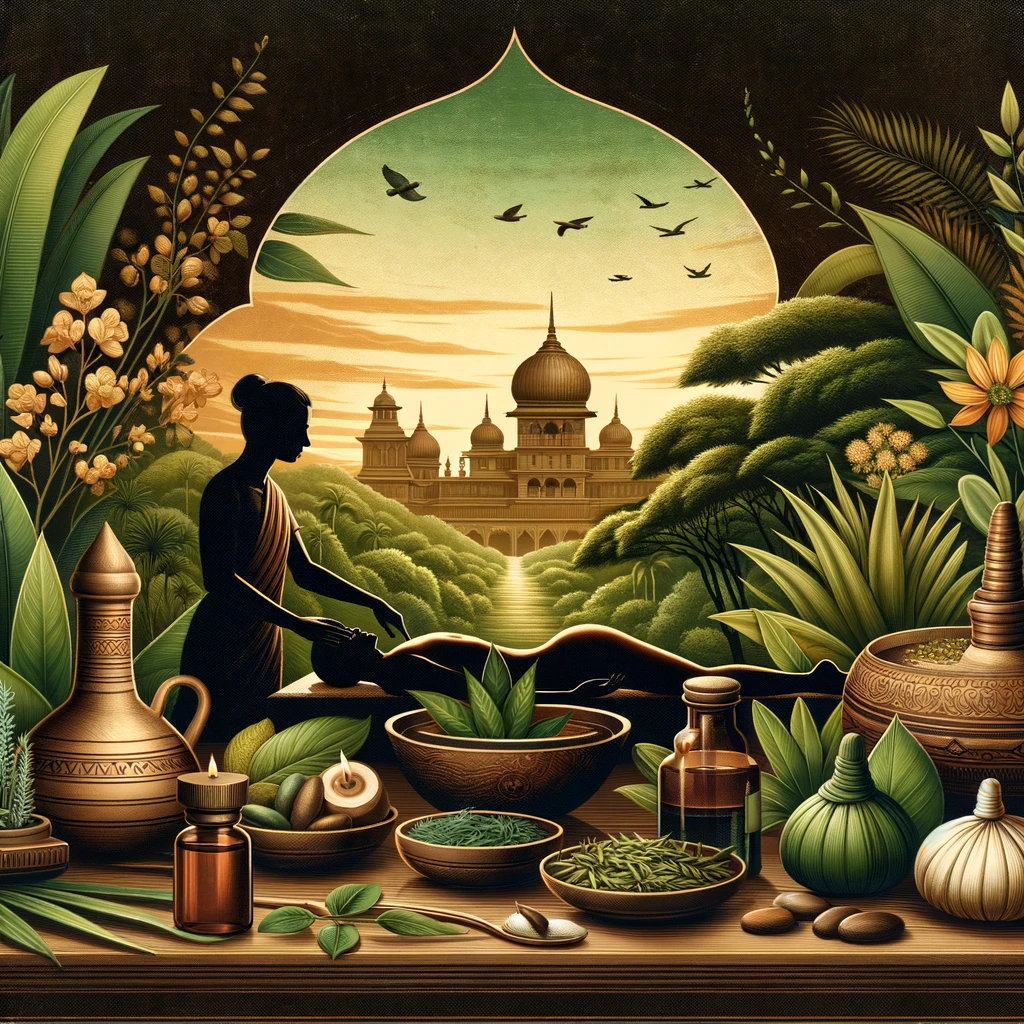
In some versions of the Ramayana, when Hanuman reaches the Himalayas and finds the Sanjeevani herb, he is unable to recognize it among the many similar plants in the region. At this point, Vaidya Sushena (a renowned Ayurvedic healer who was part of Rama’s army) advises Hanuman on how to identify the Sanjeevani herb. Sushena, who is a highly skilled Vaidya (doctor or healer), understands the nature of Lakshmana’s wounds and the healing properties of various plants and herbs. He also diagnoses that Lakshmana’s condition can be treated using specific Ayurvedic knowledge of healing, even before Hanuman is sent on the quest for the herb. Sushena is credited with using his knowledge of Ayurvedic medicine to prescribe the correct remedy. He instructs Hanuman to fetch the Sanjeevani plant from the mountains, which can heal Lakshmana’s grievous wounds. This herb, according to Ayurvedic tradition, has miraculous rejuvenating properties and is capable of restoring life to someone who has been mortally wounded.
Sushena, as described in the Ramayana, is a learned Vaidya with great expertise in Ayurveda, particularly in the use of herbs and medicines. His wisdom and his ability to identify the right treatment for Lakshmana’s injuries demonstrate the advancedmedical knowledge that was present in the Ramayana era.
● His role in the healing process also illustrates the deep connection between spirituality and medicine in the ancient Indian context, where great sages and healers were not only knowledgeable in the sciences but also practiced healing with a sense
of divine purpose. In summary, Vaidya Sushena plays a pivotal role in Lakshmana’s recovery in the
Ramayana, using his Ayurvedic knowledge to suggest the right course of treatment and guiding Hanuman in finding the Sanjeevani herb. This part of the epic underscores the significance of Ayurveda in ancient India, even in the divine and mythological context of the
Ramayana.
The concept of balancing the doshas (Vata, Pitta, Kapha) would have been fundamental in Dwapara Yuga, even if the detailed descriptions were not fully codified. The balance of these energies within the body is central to Ayurvedic healing.
In Ayurveda, lifestyle and dietary choices are fundamental to health, and the teachings of the Mahabharata emphasize moderation, self-control, and discipline in all aspects of life, which mirrors Ayurvedic principles. Krishna’s advice to Arjuna and others emphasizes maintaining a sattvic (pure) lifestyle, which would include healthy, balanced eating, regular physical activity, and mindfulness — key components of Ayurvedic philosophy.
Though the systematized form of yoga (as we know it today) was further developed later, the Mahabharata (and also the Bhagavad Gita) contains references to practices that resemble the principles of yoga and meditation, which Ayurveda incorporates for mental and physical well-being. The breathing techniques (pranayama) mentioned in various parts of the Mahabharata are aligned with Ayurvedic practices for calming the mind and balancing the body.
Ayurveda in Dwapara Yuga was a vital part of the culture and health practices of the time,
and while the detailed codification of Ayurvedic texts came later, many of the core principles
were already in use during this era. The Mahabharata and related texts reflect the use of
medicinal herbs, surgery, detoxification, and a holistic approach to health — all of which are
key aspects of Ayurveda. The sages and characters in the Mahabharata, like Dhanvantari,
Krishna, and the healers of the time, embody the wisdom of Ayurveda and its importance in
preserving life and health.