
Welcome to the world of Ayurveda

Ayurveda is one of the oldest systems of health and wellness, originating in ancient Bharata during the sacred era of Sat-Yuga

In Sat-Yuga when life was deeply connected to nature and guided by spiritual wisdom. Its roots are so ancient that they trace back to the age of epics like the Ramayana, where sages and healers used Ayurvedic principles to bring balance, harmony, and well-being to individuals and communities. At its core, Ayurveda is much more than a system of healing—it’s a way of life. It offers timeless guidance on how to align the body, mind and soul to live in harmony with the natural world. This balance is the key to achieving true health, inner peace, and lasting happiness, as taught by Ayurveda for countless generations. Ayurveda reminds us that health isn’t just about curing diseases; it’s about nurturing balance, preventing illness, and living consciously. It inspires us to rediscover the harmony within ourselves and with the world around us—a lesson as relevant today as it was in the time of Sat-Yug.

What is Ayurveda?

Ayurveda, meaning “the science of life,” is a holistic approach to health that goes beyond treating diseases. It focuses on understanding the root cause of health issues and maintaining harmony in every aspect of life.
Good health is the foundation of life. It allows us to fulfill our duties (Dharma), achieve success (Artha), enjoy life’s pleasures (Kama), and seek spiritual freedom (Moksha). Without health, it’s hard to truly enjoy or accomplish anything.

Ayurveda’s Ashtanga: A Journey Through Its Eight Branches

Kaya Chikitsa (Internal Medicine)

Kaya Chikitsa nurtures the body, ensuring balance in digestion, immunity, and overall health, addressing everyday challenges with gentle care.

What is Ayurveda?

Ayurveda, meaning “the science of life,” is a holistic approach to health that goes beyond treating diseases. It focuses on understanding the root cause of health issues and maintaining harmony in every aspect of life.
Good health is the foundation of life. It allows us to fulfill our duties (Dharma), achieve success (Artha), enjoy life’s pleasures (Kama), and seek spiritual freedom (Moksha). Without health, it’s hard to truly enjoy or accomplish anything.

The Heritage of Ayurveda

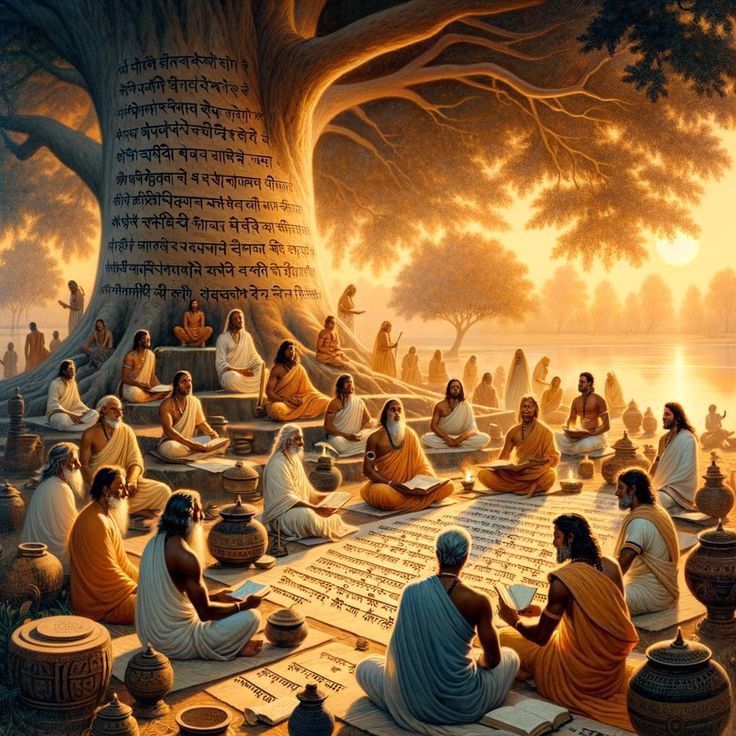
Imagine stepping back in time, to an era when the wisdom of the ancients echoed through Bharat. Ayurveda was not just a practice—it was a way of life, woven into the fabric of Bharat’s culture and spirituality. The great sages, with their deep understanding of the universe, saw health as something more than the absence of illness. They viewed it as a reflection of balance—both within ourselves and with the world around us. In Ayurveda, according to Charaka Samhita and Sushruta Samhita, healing wasn’t just about curing the sick—it was about restoring harmony, respecting the natural world, and recognizing the divine within us all. It’s a spiritual science, one that shows us that true health comes from living in tune with both ourselves and the universe around us.

The World of Energies

Ayurveda revolves around the balance of three energies (Doshas)—Vata (air and space), Pitta (fire and water), and Kapha (earth and water).

Sapta-Dhatus: The Building Blocks of Health and Vitality

Rasa (Plasma)

The nourishing fluid that carries nutrients to all parts of the body.
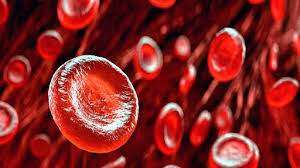
Rakta (Blood)

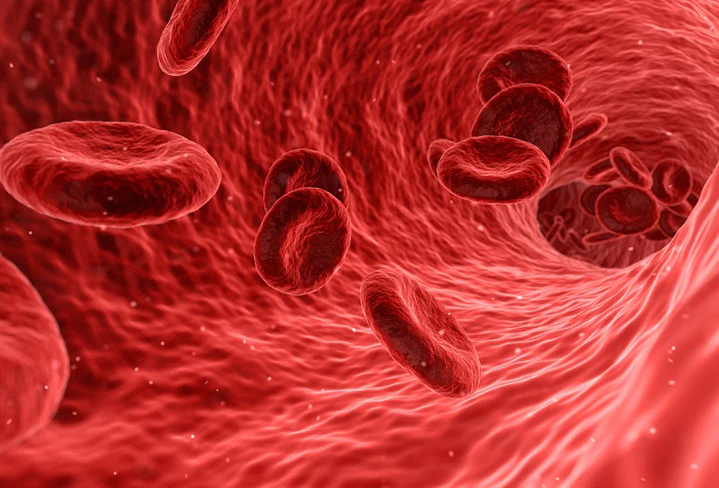
Responsible for circulation and oxygenating tissues, giving vitality.
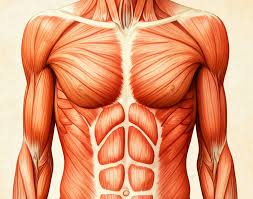
Mamsa (Muscle):

Provides structure and strength, supporting movement and physical stability.
Meda (Fat)

Offers insulation, energy storage, and protection to organs.
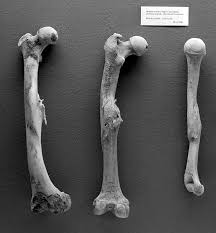
Asthi (Bone)

Gives structure and support to the body, protecting internal organs.
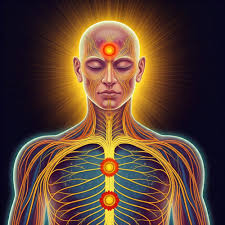
Majja (Bone Marrow & Nerve Tissue

Produces blood cells and supports the nervous system.

Shukra (Reproductive Tissue)

Governs fertility, vitality, and the ability to reproduce

Preventive and Curative Focus:

RituCharya: Ayurveda’s Seasonal Wisdom